Standing in Kansas City after wrapping up an executive coaching session, I'm struck by a powerful pattern I've observed throughout my travels—from Houston to Phoenix to Michigan. Working extensively with construction industry leaders, I've witnessed a fascinating phenomenon that defines the difference between operational excellence and true executive leadership.
Unsplash @markpot123
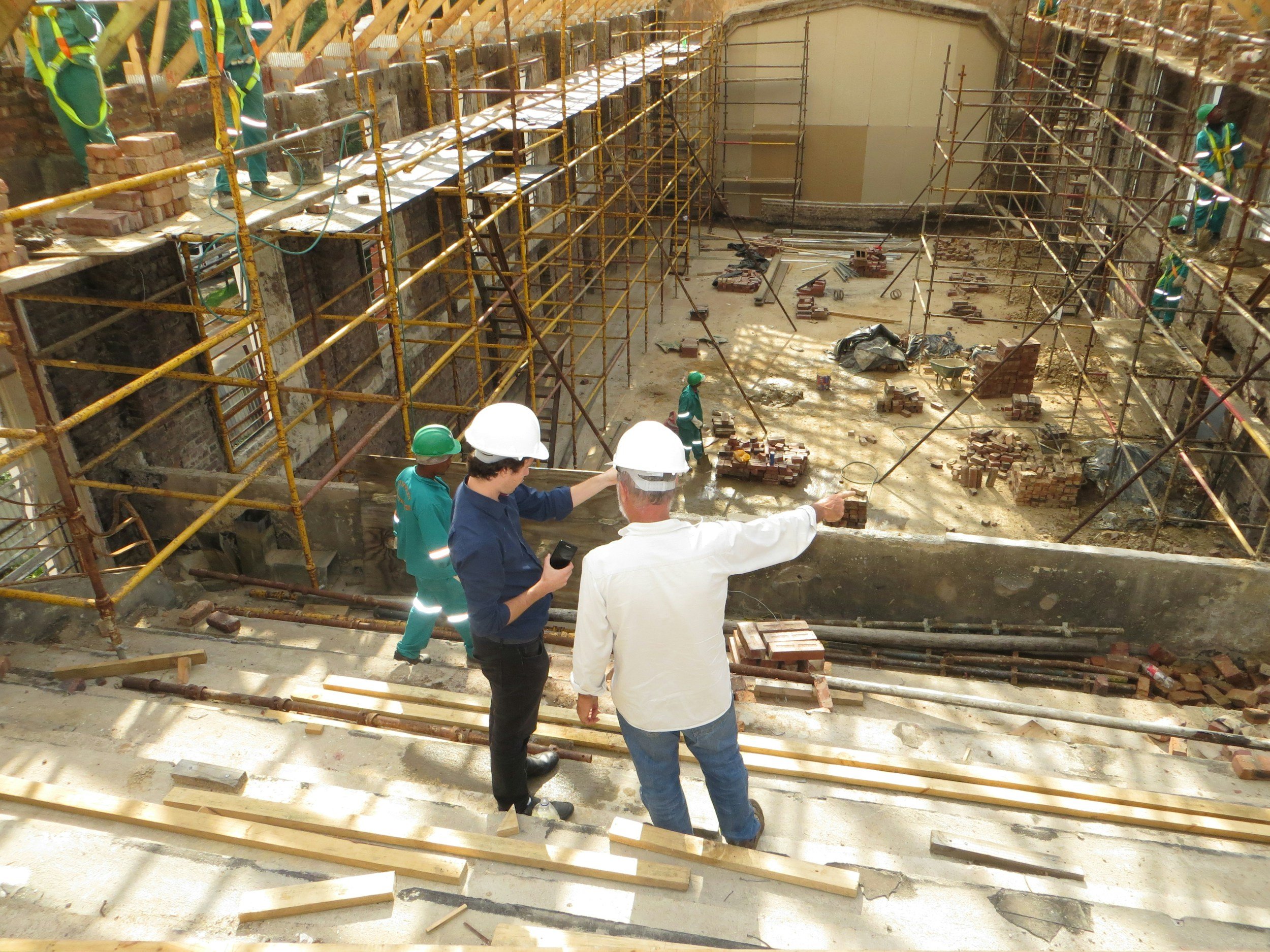
In construction, success is tangible. You can see the buildings rise, touch the materials, and measure the impact of projects that leave a global legacy. Executives in this industry oversee billions of dollars in scope, making decisions that affect communities and stakeholders worldwide. The competency that got them to this level is clear: an exceptional ability to deliver projects on time, on budget, and with lasting impact.
Yet here's the paradox: the very skills that earned these leaders their executive seats can become obstacles to their success at that level.
The fundamental shift required at the executive level isn't about building bigger projects or managing larger P&Ls—it's about reimagining what success means entirely. Instead of being the person who gets the work done, executives must become the person who builds the people who get the work done. This transformation represents a complete mindset revolution.
Too often, leaders remain trapped in their previous definition of success. They focus on the immediate work, the tactical decisions, the daily firefighting. But executive leadership demands something different: championing vision, communicating strategy, and most critically, developing and empowering teams.

Unsplash @judmackrill
This isn't just semantic wordplay. It's the difference between being a highly skilled doer and being a multiplier of talent. When an executive truly embraces their role as a people-builder, their impact exponentially increases. Instead of being limited by their own capacity, they unlock the potential of dozens, hundreds, or thousands of people across their organization.
3 Paradigm Shifts to Make the Transition
1. Measure Development, Not Just Delivery Stop tracking only projects completed. Start measuring how many people you've promoted, decisions you've delegated, and capabilities you've built in others.
2. Coach, Don't Solve When problems arise, resist providing immediate answers. Ask: "What options have you considered?" "What would you recommend?" Build their thinking, not just results.
3. Protect Development Time Block recurring weekly time exclusively for coaching and mentoring. Treat it as non-negotiable as any billion-dollar meeting—because developing future leaders delivers exponential value.
The question every aspiring executive must ask themselves is profound yet simple: What does success look like at the next level of leadership? True executive success is measured by the capability, confidence, and competence of the people you develop.
At The Advance, we work alongside leaders like you to turn vision into reality—whether that's redesigning your organization, elevating your leadership impact, or achieving the goals that matter most.
Ready to make 2026 your breakthrough year by building yourself and your people? We can help from executive coaching, team building, to leadership design for your entire organization. Let’s start a no-pressure conversation: russell@leadersadvance.net